The best USB microphones for community calls, lessons and content work depend on your room, desk space and plans for your setup. These four picks range from compact desktop models to USB/XLR microphones that can connect to audio gear later.
Quick Top Products
FIFINE K669B USB Microphone
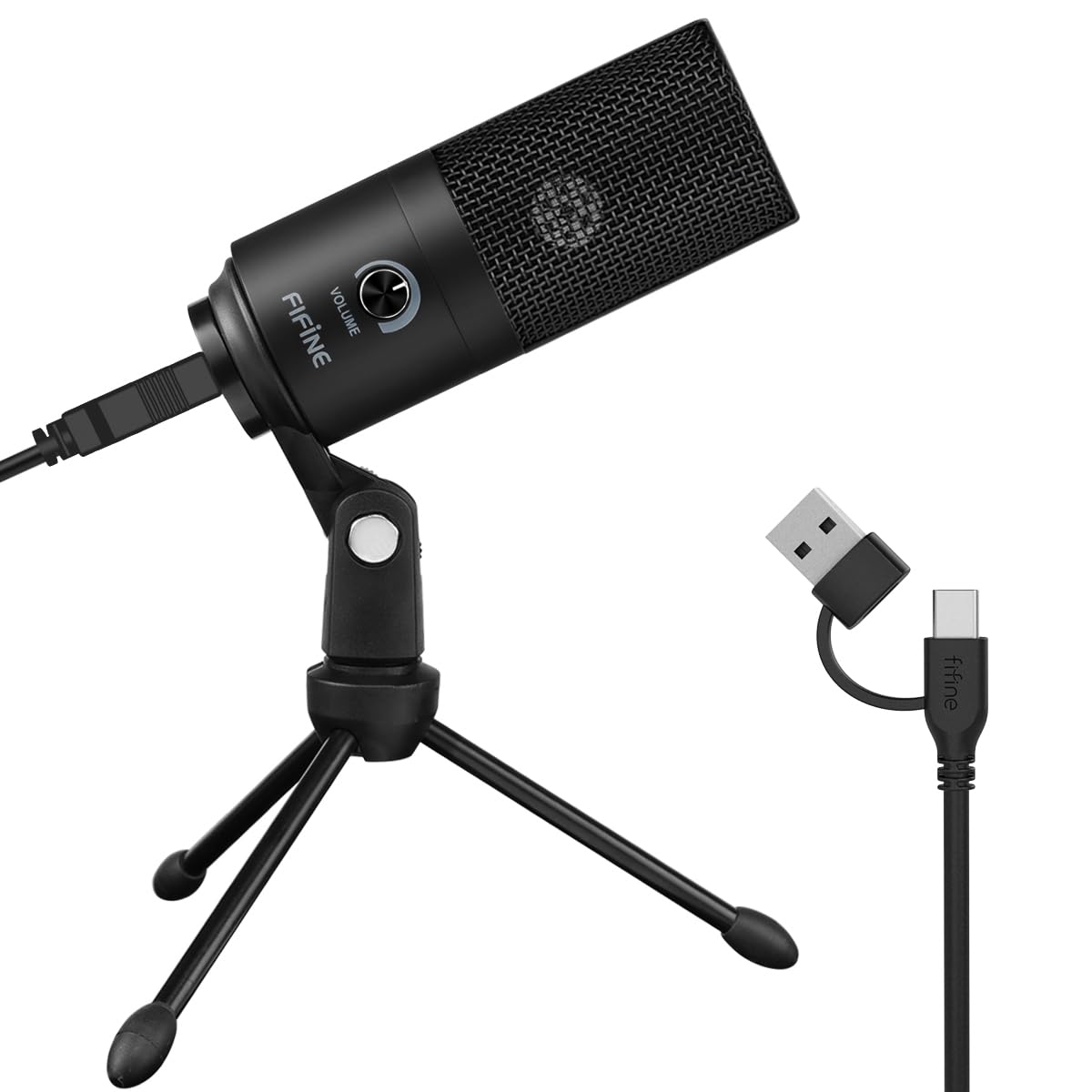
- USB connection and included 5.9-foot cable for computer recording.
- Cardioid condenser pickup with a volume knob on the microphone.
- Metal body and tripod stand; compatible with Windows, Mac and PS4 or PS5.
Best For: People who want a straightforward desktop mic for calls, voiceovers or streaming.

Samson Meteor Mic USB
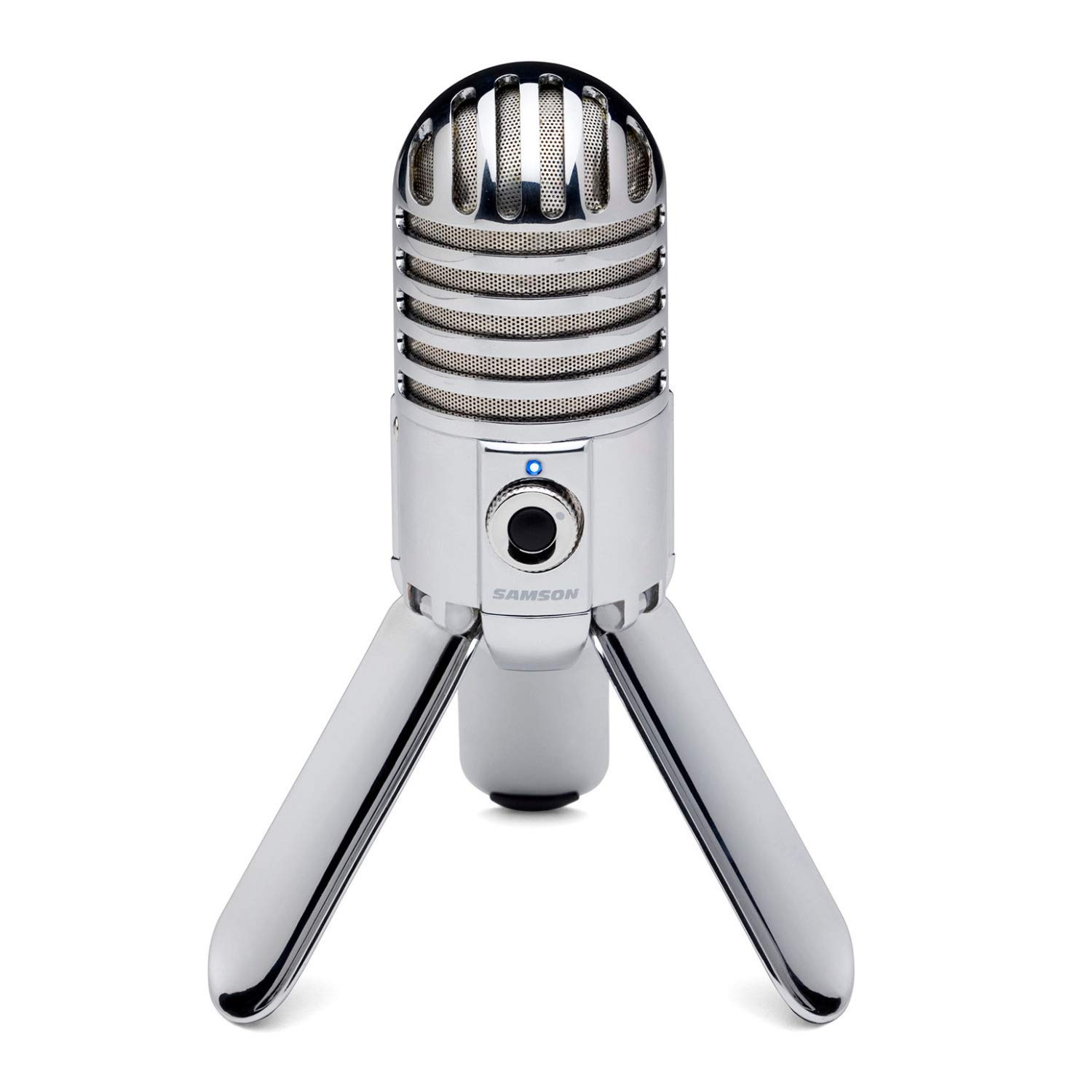
- Fold-back legs help with transport and desktop positioning.
- 25 mm condenser capsule with cardioid pickup pattern.
- Headphone output with level control for zero-latency monitoring.
Best For: People who want a portable USB microphone with headphone monitoring.
Samson Q2U USB-C/XLR
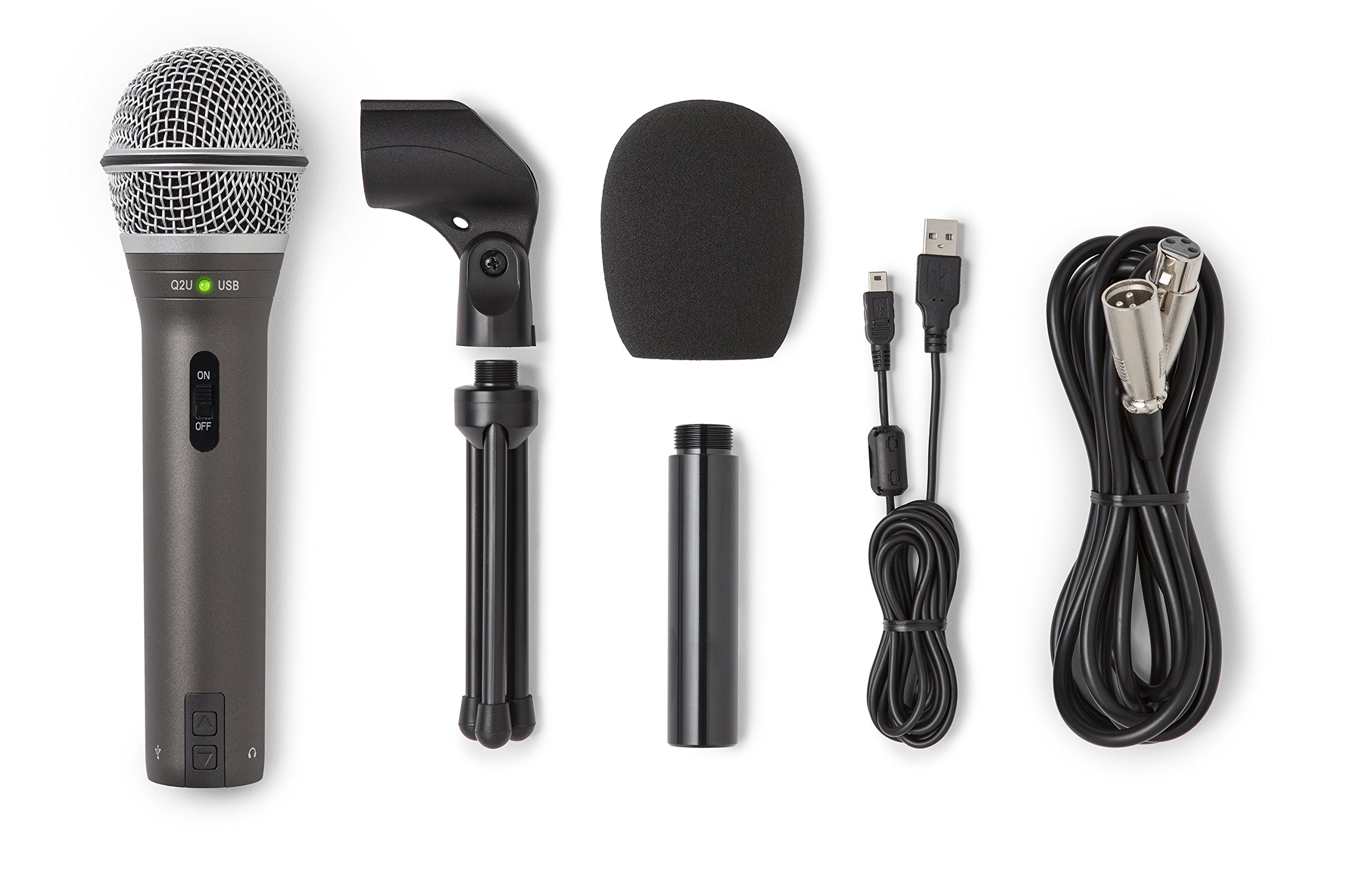
- Dynamic handheld microphone with USB-C and XLR connections.
- Includes a tripod desktop stand, extension, clip and windscreen.
- Includes both USB-C and XLR cables.
Best For: Speakers who want a handheld dynamic mic that can connect by USB-C or XLR.
MAONO PD400X Dynamic Microphone
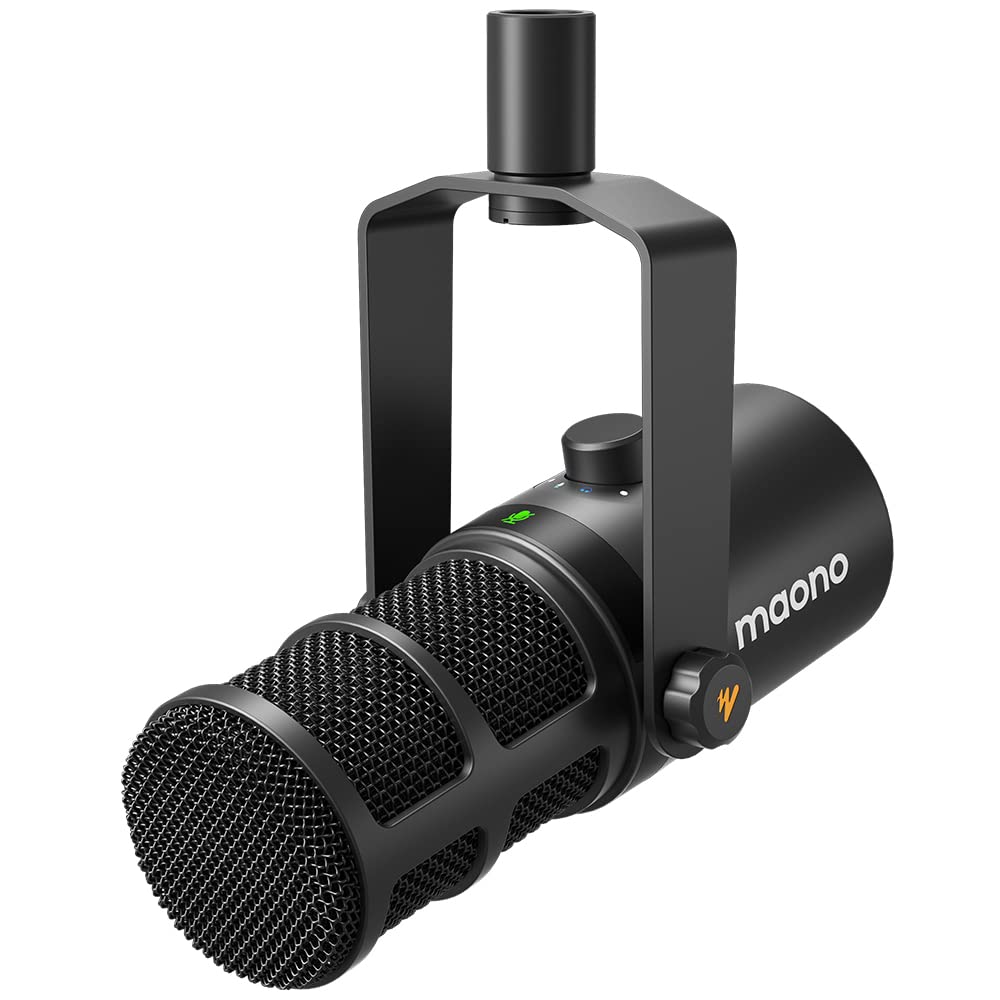
- Dynamic cardioid microphone with USB and XLR outputs.
- USB software offers EQ, limiter and compressor controls.
- Digital control knob adjusts gain, headphone volume and monitor mix.
Best For: Podcast and streaming users who want software sound controls over USB and an XLR option.
Simple Desktop Recording
FIFINE USB Microphone, Metal Condenser Recording Microphone for MAC OS, Windows, Cardioid Laptop Mic for Recording Vocals, Voice Overs, Streaming, Meeting and YouTube Videos-K669B
The FIFINE K669B connects directly to a computer by USB and includes a small tripod stand, so it suits a basic desk recording setup. Its cardioid condenser capsule focuses on sound from the front, while the body’s volume knob provides quick level adjustment.
The metal construction and USB power keep the setup simple, with no separate 48-volt power supply required. It works with Windows, Mac and PS4 or PS5, but the supplied facts specify that it is not compatible with Xbox or phones.
Its fixed desktop stand also takes a different approach from boom-arm kits that can be moved closer to the speaker.
Best For: People who want a straightforward desktop mic for calls, voiceovers or streaming.
| Pros | Cons |
|---|---|
|
|
Choose the K669B if you want a compact USB mic for a home desk and prefer to keep setup uncomplicated. Its tripod stand and volume knob suit calls, voiceovers and streaming without requiring a separate mixer.
If you want to position a microphone off the desk or add an XLR connection to an audio interface later, consider one of the dual-connection options instead. Check that your device has a compatible USB connection and that the microphone’s desktop placement works with your screen and keyboard.
Foldable Travel Setup
Samson Meteor Mic USB Condenser Podcasting Podcast Recording Desktop Microphone
The Samson Meteor Mic is a desktop USB condenser microphone with fold-back legs that make it easier to pack between recording locations. Its cardioid pickup pattern focuses on sound in front of the mic, and a 25 mm diaphragm captures voice or instruments.
A 1/8-inch stereo headphone output with level control supports zero-latency monitoring, so you can listen while recording. The microphone connects by USB and supports 16-bit recording at 44.1 or 48 kHz.
It is a compact all-in-one choice for a laptop bag or small desk, though its integrated legs offer a different placement style from a separate adjustable boom arm.
Best For: People who want a portable USB microphone with headphone monitoring.
| Pros | Cons |
|---|---|
|
|
The Meteor Mic makes sense when portability and direct headphone monitoring matter more than an adjustable arm or a later move to XLR equipment. Its folding legs give it a self-contained desktop form, and its USB connection keeps setup straightforward.
For a more flexible fixed workstation, compare it with boom-arm kits such as the FIFINE T669. Before buying, check that its folded and open footprint fits your travel kit and recording desk.
Dynamic Mic with XLR Option
Samson Q2U Dynamic USB-C/XLR Microphone
The Samson Q2U combines a handheld dynamic microphone with USB-C and XLR connections. USB-C lets it plug directly into a compatible computer, while XLR gives you a connection option for compatible audio equipment.
The included pack has a tripod desktop stand, extension, mic clip, windscreen, USB-C cable and XLR cable, so it covers several common parts of a starter recording setup. Its handheld form can suit speech, podcasting and recording where you want to hold or clip the microphone.
Check your computer’s port and your planned XLR equipment before choosing which connection to use.
Best For: Speakers who want a handheld dynamic mic that can connect by USB-C or XLR.
| Pros | Cons |
|---|---|
|
|
Choose the Q2U if you want a dynamic handheld microphone and value having both USB-C and XLR connections available. Its included stand, clip, windscreen and cables make it a practical option for getting started, while XLR provides a path to compatible audio gear.
A desktop condenser with an integrated stand may be more convenient for fixed calls or lessons. Before buying, verify that your computer supports USB-C or plan to use the included XLR cable with compatible equipment.
Software-Tuned USB/XLR Control
MAONO Dynamic Microphone, USB/XLR Podcast PC Microphone with Software, EQ,Tap-to-Mute, Headphone Jack, Gain Knob & Volume Control, Studio Mic for Broadcast, Recording, Streaming & Gaming (PD400X)
The MAONO PD400X is a dynamic microphone with USB and XLR outputs, giving it a direct computer setup as well as a connection for a mixer, interface or portable PA system. In USB mode, the MAONO Link app adds sound controls such as EQ, limiter and compressor adjustments.
A combined digital knob controls mic gain, headphone volume and monitor mix, and a touch mute key has an LED indicator. Its cardioid pickup pattern is intended for voice-focused use.
The microphone can serve a USB podcast setup now and an XLR-based setup later, but the supplied facts do not specify an included stand or cable package.
Best For: Podcast and streaming users who want software sound controls over USB and an XLR option.
| Pros | Cons |
|---|---|
|
|
The PD400X suits a podcaster or streamer who wants software controls and hands-on monitoring adjustments over USB, with an XLR output available for compatible equipment. Its feature set gives more control than a basic plug-and-play desktop microphone, though users who prefer a complete stand-and-cable kit should check those included items before buying.
Compare the software workflow with the Samson Q2U’s more basic USB-C/XLR setup, and confirm that any XLR gear you plan to use is compatible.
How to Choose Usb Microphones
How We Picked USB Microphones
We selected microphones with a documented USB connection and distinct uses for computer recording, lessons, calls, streaming or podcasting. The group includes compact desktop options, a foldable travel model, a handheld dynamic mic and microphones with both USB and XLR connections.
The feature differences help match the microphone to a work setup. Desktop stands suit a fixed workspace, while a handheld form or fold-back legs may suit different recording habits.
USB/XLR models offer a choice of computer connection and compatible audio equipment.
Comparing USB Microphones
For a straightforward desktop setup, the FIFINE K669B has a tripod, USB connection and on-mic volume knob. The Samson Meteor Mic adds fold-back legs and headphone monitoring, making portability and listening during recording central considerations.
The Samson Q2U provides USB-C and XLR connections in a kit that includes cables and a tripod stand. The MAONO PD400X also offers USB and XLR, with app-based EQ, limiter and compressor controls in USB mode.
Decide whether bundled setup pieces, a handheld format or software sound adjustments matter most to your sessions.
| Product | Standout features | Best for |
|---|---|---|
| FIFINE K669B USB MicrophoneCheck Price |
| People who want a straightforward desktop mic for calls, voiceovers or streaming. |
| Samson Meteor Mic USBCheck Price |
| People who want a portable USB microphone with headphone monitoring. |
| Samson Q2U USB-C/XLRCheck Price |
| Speakers who want a handheld dynamic mic that can connect by USB-C or XLR. |
| MAONO PD400X Dynamic MicrophoneCheck Price |
| Podcast and streaming users who want software sound controls over USB and an XLR option. |
Choosing a Microphone for Calls, Classes and Podcasts
For online classes or community calls at one desk, a simple USB connection and a stand that fits your work area can be enough. The K669B’s desktop tripod and volume knob offer a direct arrangement.
Check the device compatibility carefully, especially if you plan to connect a phone or Xbox.
Podcasting often involves monitoring your own voice and making adjustments between takes. The Meteor Mic has a headphone output with level control.
The PD400X adds mic gain, headphone volume and monitor mix control, plus USB software adjustments. Its control features operate in USB mode, so consider how you intend to connect before relying on them.
When to Choose USB and XLR Flexibility
A microphone with USB and XLR can connect directly to a compatible computer or to compatible audio equipment. The Q2U includes USB-C and XLR cables, while the PD400X’s supplied facts identify USB and XLR outputs but do not specify its stand and cable package.
Check the port and accessories you will actually use.
If you only need computer audio, a USB-only model may keep the setup simpler. If you already use or expect to add a mixer or audio interface, the dual-connection microphones provide another connection route.
Confirm the requirements of your equipment before purchasing; a microphone’s XLR output alone does not establish that every interface will work as expected.
Who Should Buy Which USB Microphone?
Choose the FIFINE K669B for a compact desktop setup with direct USB connection and basic onboard level control. Consider the Samson Meteor Mic if you want folding legs and headphone monitoring in a portable format.
Pick the Samson Q2U if a handheld dynamic microphone, included cables and USB-C/XLR connections suit your recording plans. The MAONO PD400X fits users who want software sound adjustments and monitoring controls over USB alongside an XLR output for compatible gear.