The best memory card readers match your cards and device ports while offering the slots and transfer interface your workflow needs. These options range from compact SD and microSD adapters to a broad-format desktop reader and a screen-equipped field viewer.
Quick Top Products
SABRENT USB-C & USB-A SD/Micro SD Reader
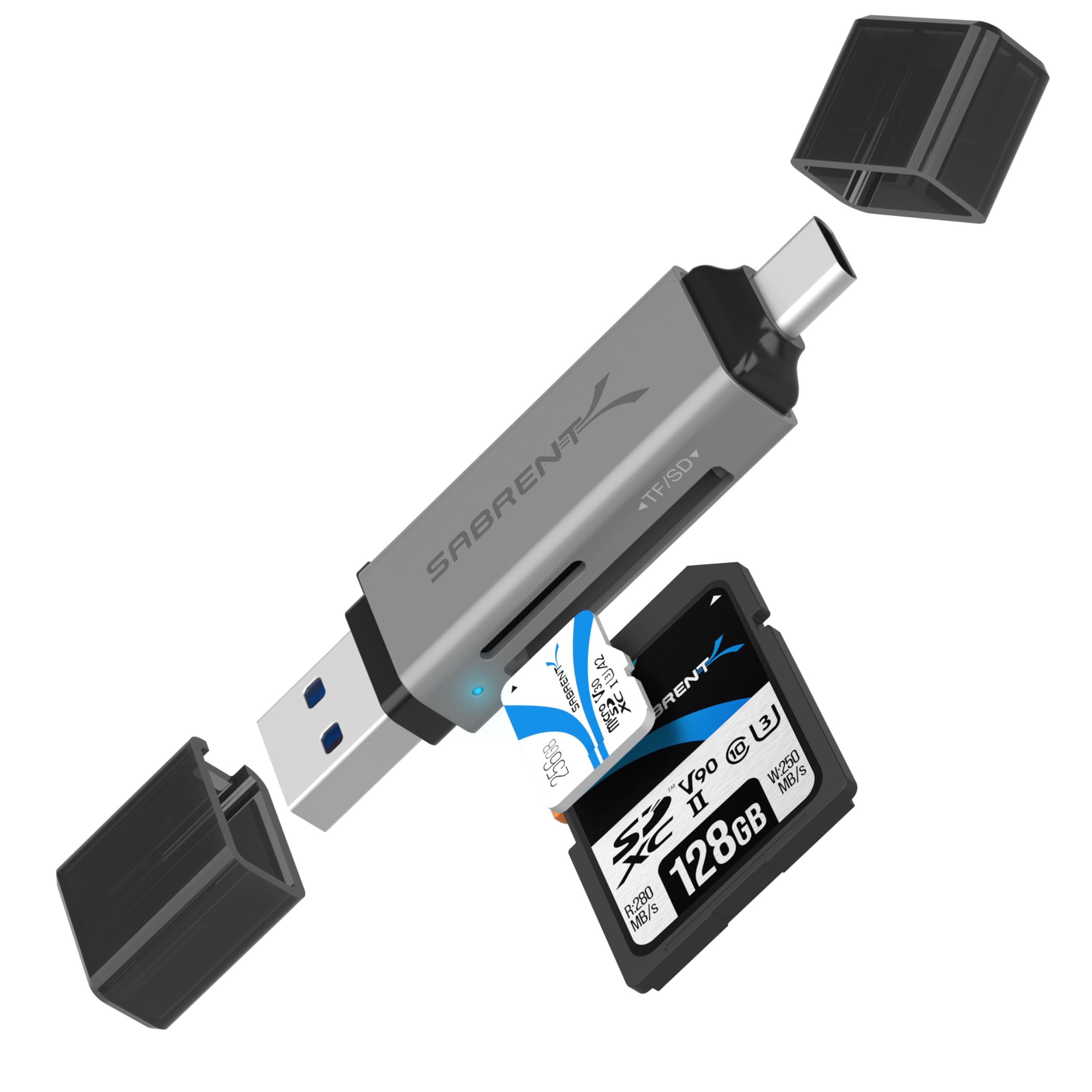
- USB-C and USB-A connections suit a range of host ports.
- Reads SD and microSD formats, including SDXC and microSDXC.
- USB 3.0 supports up to 5Gbps and requires no drivers.
Best For: People who move SD or microSD files between USB-C and USB-A devices.

SABRENT USB-C UHS-II SD & microSD Reader
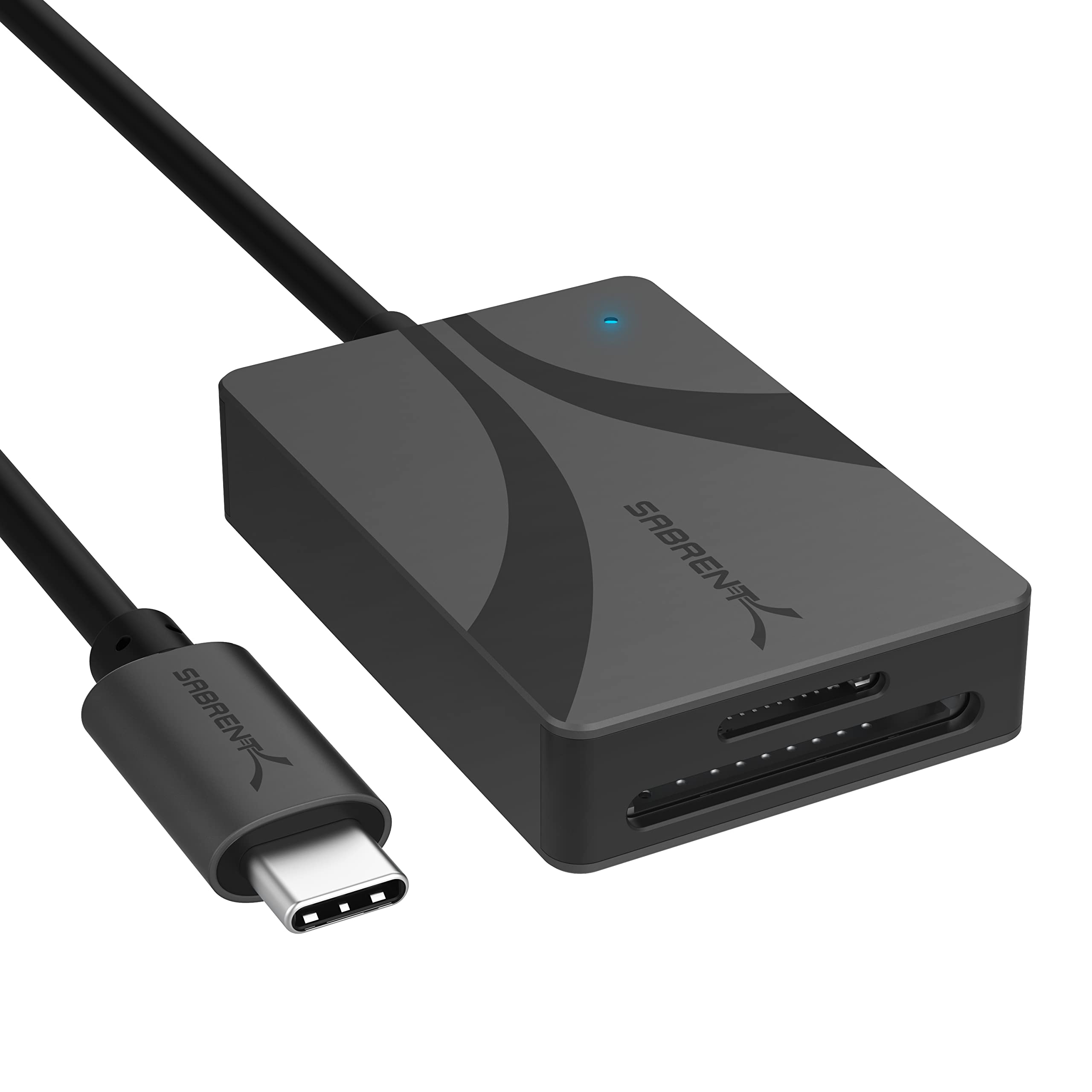
- Dual slots support UHS-II SDXC and microSDXC cards.
- Transfer speeds are up to 312MB/s, subject to device limits.
- Integrated six-inch USB-C cable and bus-powered operation.
Best For: Photographers transferring SD and microSD media through a USB-C host.
SMALLRIG SD/TF USB-C Card Reader 4870
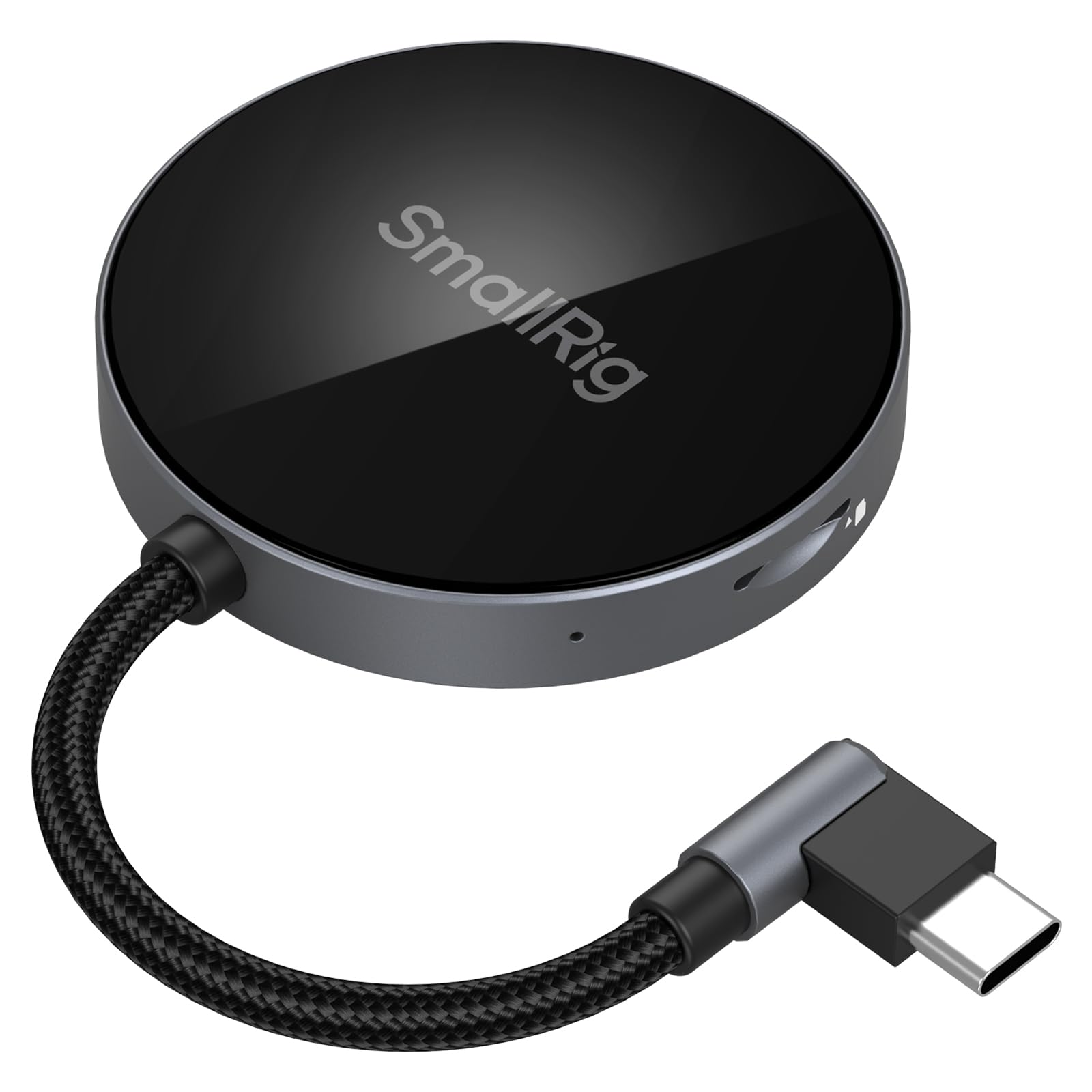
- Two slots support SD and TF/microSD card formats.
- Angled 90-degree USB-C connector helps manage cable placement.
- Built-in magnet attaches to selected compatible phones.
Best For: Mobile users seeking an angled USB-C reader with SD and TF slots.
SABRENT SuperSpeed 2-Slot USB 3.0 Reader
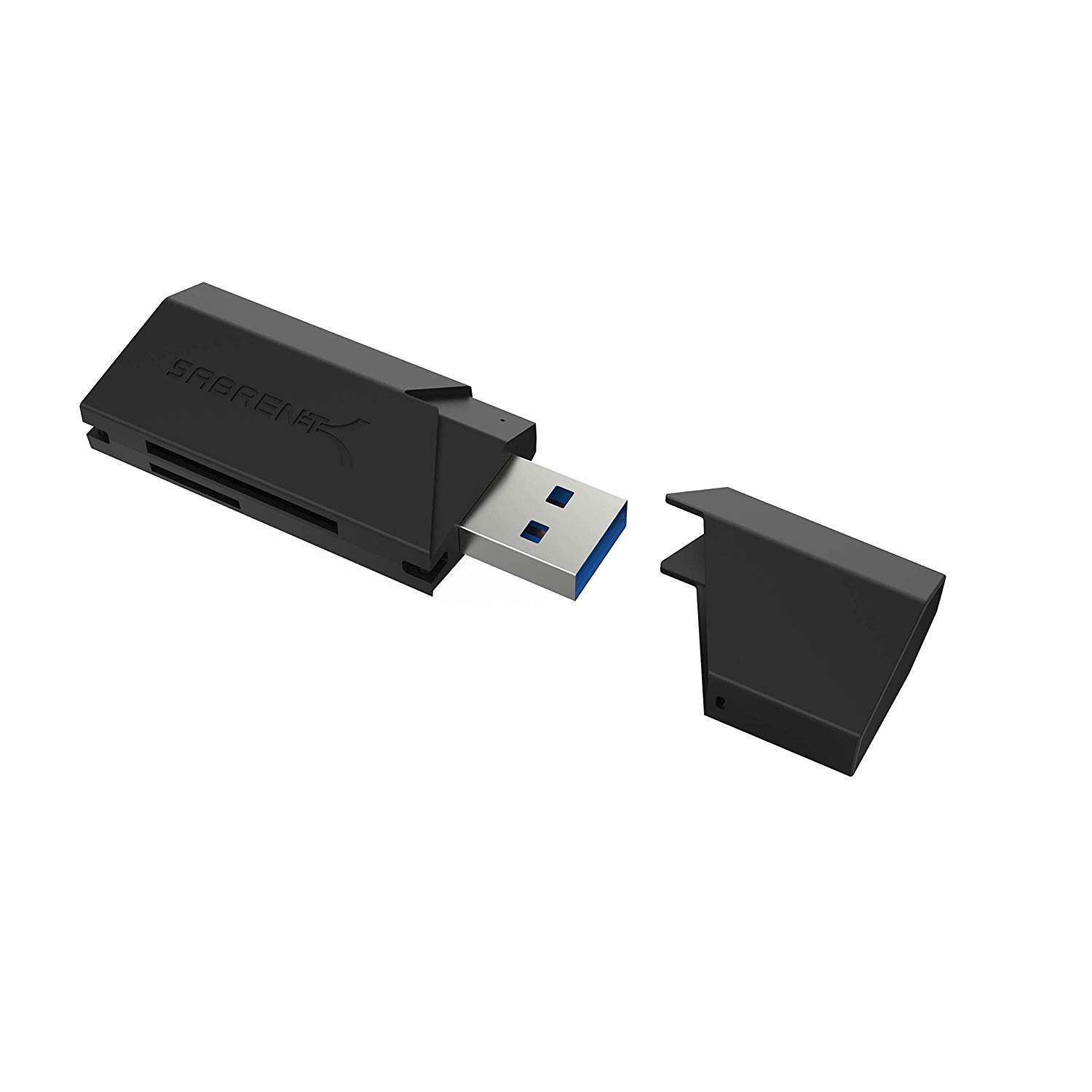
- Supports SD, SDHC, SDXC, MMC, microSD, and T-Flash.
- USB 3.0 connection is backward compatible with USB 2.0 hosts.
- Bus-powered, plug-and-play design needs no extra supply.
Best For: Users who need an inexpensive, straightforward reader for SD and microSD cards.
SABRENT USB 3.0 SD & microSD Reader
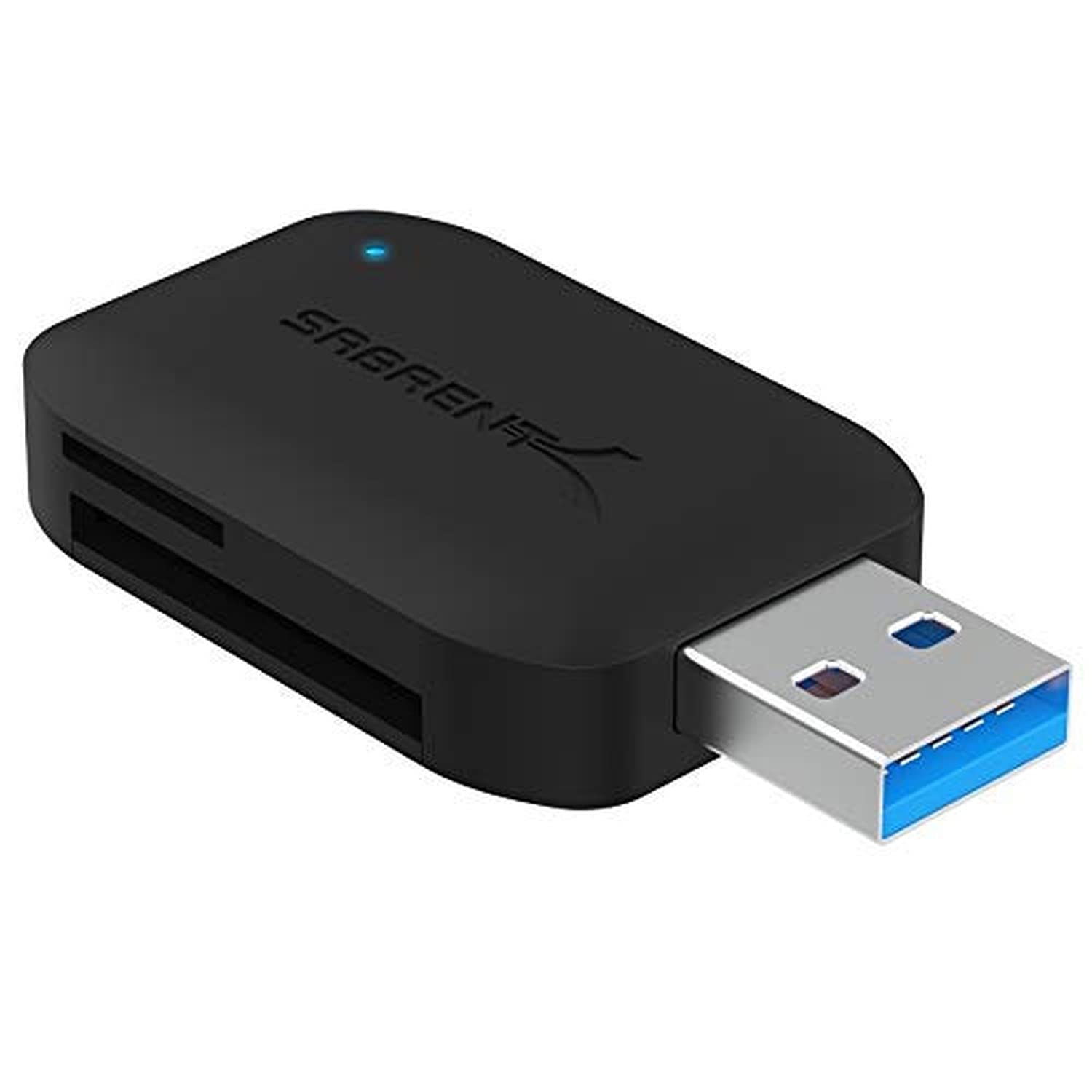
- Reads SD and microSD card types, including UHS-I.
- Supports reading two cards simultaneously.
- USB 3.0 connection with activity LED and backward compatibility.
Best For: Users who want to read SD and microSD cards at the same time.
SABRENT 75-in-1 Multi-Format Reader/Writer
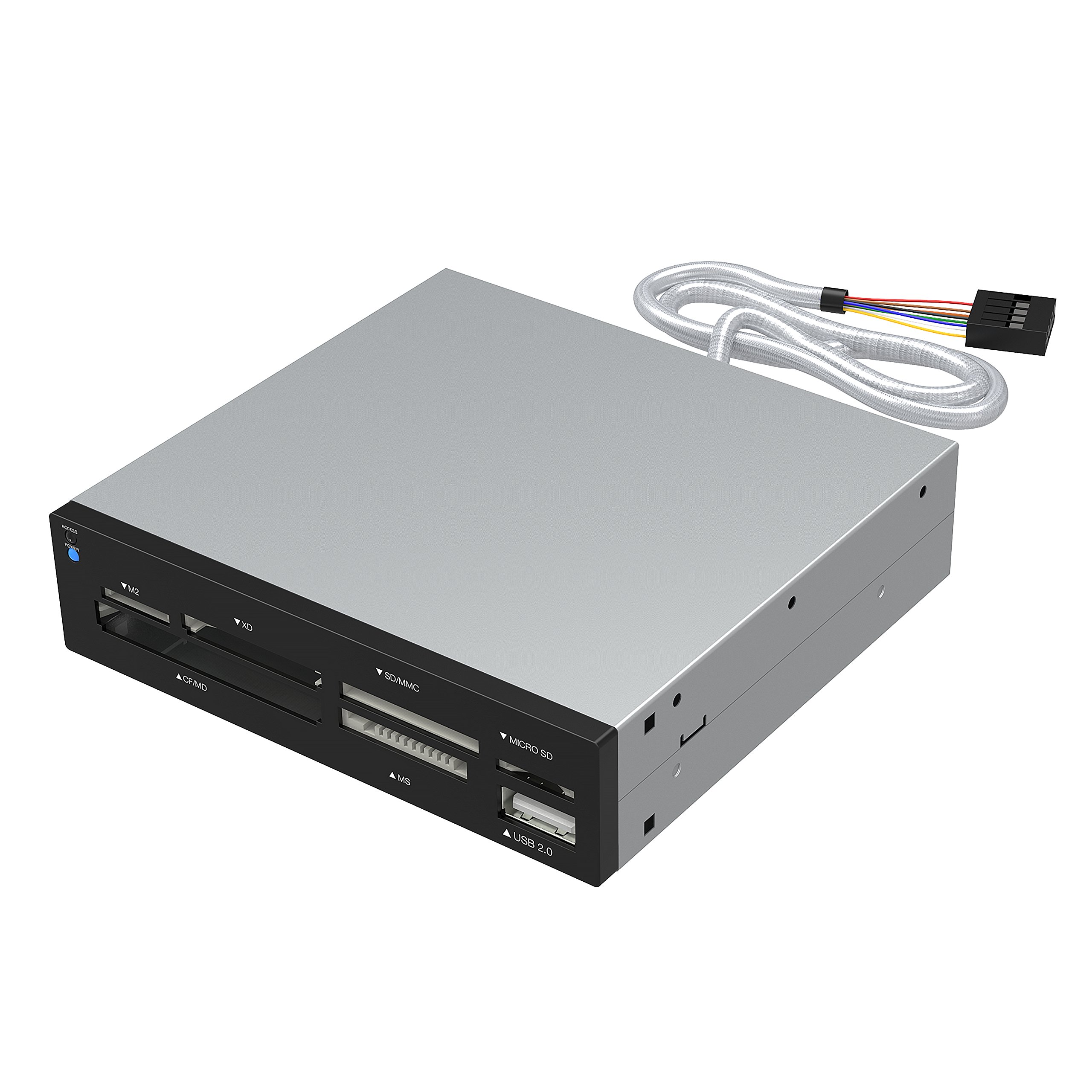
- Six slots cover 74 card types across multiple formats.
- Supports legacy formats such as M2, xD, CompactFlash, and Memory Stick.
- Includes a USB 2.0 port and internal power connector.
Best For: People handling several legacy and current card formats from one desktop reader.
SABRENT 3.5-Inch Internal 74-in-1 Reader
- Designed for installation in a 3.5-inch internal bay.
- Six slots support 74 card types, with adapters needed for some cards.
- Includes a USB 2.0 port and internal power connector.
Best For: Desktop builders adding a multi-format card reader to an internal 3.5-inch bay.
Muddy CRV3 HD SD Card Viewer
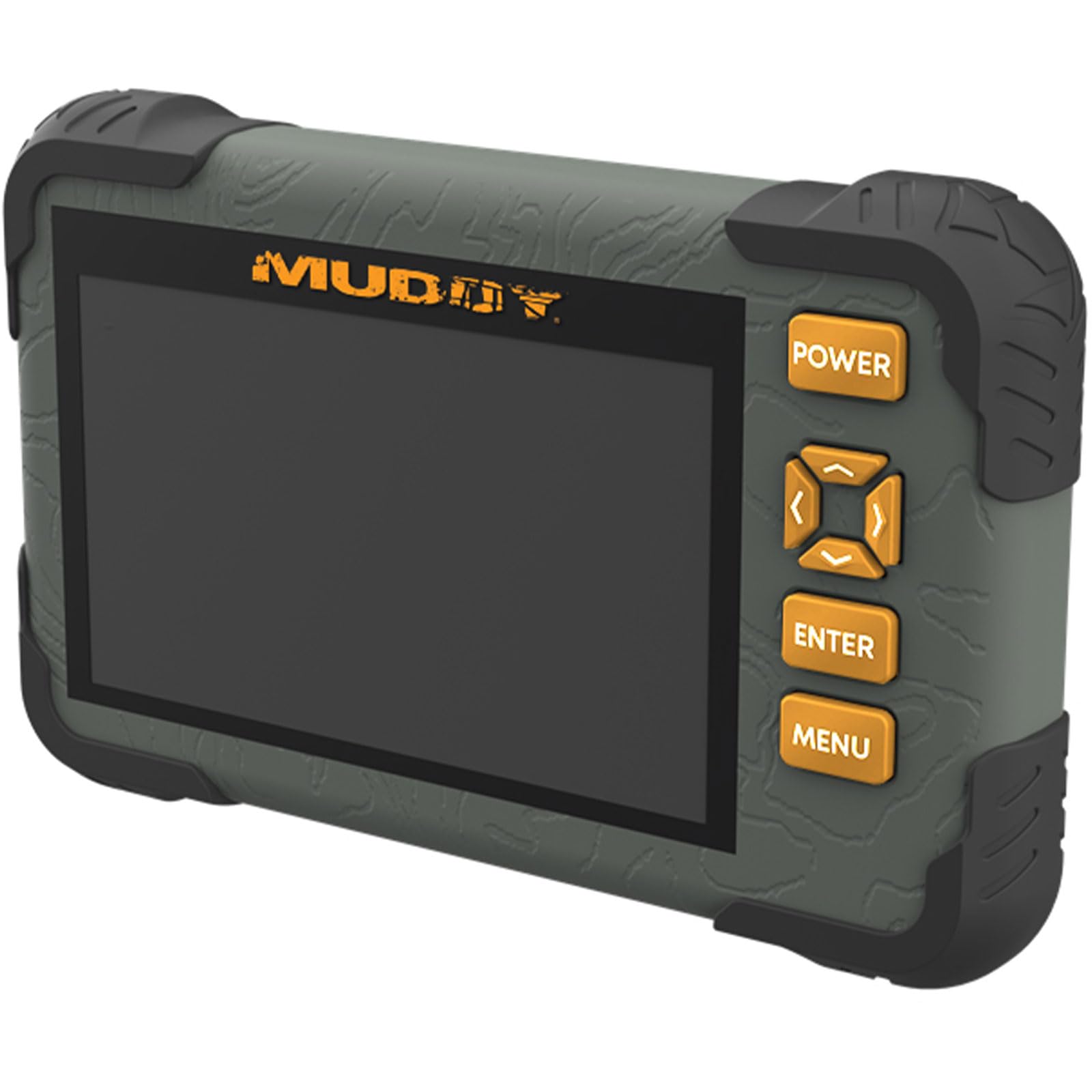
- 4.3-inch color LCD screen for on-device viewing.
- Supports 1080p video playback and includes a headphone jack.
- SD card slot supports cards up to 32GB.
Best For: Outdoor users who want to view SD card photos and videos on a dedicated screen.
Two Connector Types for Everyday Transfers
SABRENT SD Card Reader USB C & USB A, Micro SD Card Reader, USB 3.0 Dual Slot Memory Card Adapter for Laptop PC Android (CR-BCA2)
This compact reader has both USB-C and USB-A connections, so it can work with laptops and PCs that use either port. Its two slots support SD, SDHC, SDXC, microSD, microSDHC, and microSDXC cards.
The USB 3.0 interface supports transfer rates up to 5Gbps and is backward compatible with USB 2.0. Plug-and-play operation requires no driver installation, and an LED indicates activity.
It is a practical fit for common camera and mobile card formats; check that your phone or computer supports external card readers before relying on it for mobile transfers.
Best For: People who move SD or microSD files between USB-C and USB-A devices.
| Pros | Cons |
|---|---|
|
|
Choose this reader when you regularly switch between USB-C and USB-A computers and use standard SD or microSD cards. Its connector flexibility is the main distinction among the compact options here.
The stated 5Gbps figure describes the interface; card and host capabilities affect actual transfer speeds. Check your device's port and operating system support, especially for Android use, and confirm that you do not need UHS-II performance or formats beyond SD and microSD.
UHS-II Support with an Attached Cable
SABRENT USB Type-C Card Reader, Dual-Slot UHS-II SDXC and microSDXC SD 4.0 (CR-CSDM)
This dual-slot reader supports UHS-II SDXC and microSDXC cards, with transfer speeds up to 312MB/s. Its integrated six-inch USB-C cable connects to compatible modern devices, and the USB 3.2 Gen 1 host interface supports up to 5Gbps.
It can read both slots simultaneously, is bus-powered, and needs no driver installation. The reader also supports older SD cards, though older card or USB connections can limit speed.
It is a useful option for a USB-C setup that needs both card sizes and UHS-II support; verify your host and card can use the desired speed.
Best For: Photographers transferring SD and microSD media through a USB-C host.
| Pros | Cons |
|---|---|
|
|
Select this model when UHS-II support and simultaneous access to SD and microSD matter more than having multiple connector types. The attached cable avoids a separate lead, while its USB-C connection makes host-port compatibility a key check.
Compare the card's UHS rating and your computer's USB support before expecting the maximum speed. Older cards remain supported, but they will not gain newer-card performance simply by using this reader.
Angled USB-C Design for Phone and Tablet Use
SMALLRIG SD/TF Dual-Slot Card Reader USB 4.0 312MB/s - 4870
The SMALLRIG 4870 combines SD and TF (microSD) slots with a USB-C connection and an angled 90-degree plug. It supports simultaneous read and write across the two slots and lists a transfer rate of 312MB/s.
A built-in magnet attaches to selected compatible phones for hands-free positioning. The product notes compatibility with a range of phones, tablets, and computers, but support depends on the specific model and operating system.
For Android transfers, the file manager may need permission to run in the background. Check device fit and card compatibility before choosing it for a mobile workflow.
Best For: Mobile users seeking an angled USB-C reader with SD and TF slots.
| Pros | Cons |
|---|---|
|
|
Consider the 4870 if you want a USB-C reader positioned close to a compatible phone and value its angled connector. It stands apart from the other compact readers through its magnetic attachment and stated mobile-device compatibility.
Confirm your phone or tablet model and whether its case interferes with the magnet. For Android use, make sure the file manager can remain active during transfers; for speed, check that both the card and host support the reader's stated rate.
Simple USB-A Reader for Common Card Types
SABRENT SuperSpeed 2 Slot USB 3.0 Flash Memory Card Reader for Windows, Mac, Linux, and Certain Android Systems Supports SD, SDHC, SDXC, MMC/MicroSD, T Flash [Black] (CR-UMSS)
This bus-powered USB 3.0 reader provides two slots for SD, SDHC, SDXC, MMC, microSD, and T-Flash cards. It connects directly to a USB port, requires no separate power supply, and uses plug-and-play operation without installation.
USB 2.0 hosts are supported as well, though their interface can limit transfer speed. Its broad compatibility with Windows, Mac, Linux, and certain Android systems makes it a simple choice for common card transfers.
Check the exact port and Android support on your device, since the product description qualifies Android compatibility rather than presenting it as universal.
Best For: Users who need an inexpensive, straightforward reader for SD and microSD cards.
| Pros | Cons |
|---|---|
|
|
Choose this option for routine SD and microSD transfers when you want a simple USB-connected reader and do not need a specified UHS-II capability. It handles MMC and T-Flash as well as common SD formats, which gives it a little more format range than basic SD-only models.
Check whether your computer has the appropriate USB port and confirm Android compatibility for your particular device. USB 2.0 hosts can connect, but their speed is lower than USB 3.0.
Simultaneous Access to SD and microSD
SABRENT USB 3.0 Micro SD and SD Card Reader (CR-BYMS)
This two-slot reader supports SD, SDHC, SDXC, microSD, microSDHC, microSDXC, and UHS-I cards. It can read two cards simultaneously, making it useful when moving files between card types or keeping two media sources accessible.
The USB 3.0 interface supports transfer rates up to 5Gbps and is backward compatible with USB 2.0 and 1.1. An LED indicates power and activity, and the plug-and-play design needs no driver disc.
Its listed compatibility covers Windows and Mac OS X 10 or higher. Confirm the host port and card speed class for your setup.
Best For: Users who want to read SD and microSD cards at the same time.
| Pros | Cons |
|---|---|
|
|
This reader suits users who often access a full-size SD card and a microSD card in the same session. Its simultaneous reading support is the clearest reason to choose it over single-card alternatives.
The USB 3.0 interface supports fast transfers, but the host port and card determine the rate achieved. Check the operating system compatibility and whether UHS-I meets your workflow; the supplied details do not establish UHS-II support.
Broad Format Support for Older Media
SABRENT 75 in 1 Multi Flash Media Card Reader/Writer(with Power Cord) (CRW-UINB)
This six-slot reader supports 74 different memory card types, including M2, xD, SD, SDHC, SDXC, MMC, microSD, CompactFlash, Microdrive, and Memory Stick formats. Some cards may require an adapter.
It also includes a USB 2.0 port and an internal power connector intended to provide sufficient power to external USB devices. The reader supports older Windows versions, Linux, and Mac OS X.
Its extensive format coverage makes it more appropriate for a desk with varied or legacy media than for a minimal travel kit. Check whether your exact card needs an adapter.
Best For: People handling several legacy and current card formats from one desktop reader.
| Pros | Cons |
|---|---|
|
|
Choose this reader when your card collection includes legacy formats alongside SD and microSD. Its six slots and broad format support address a different need from compact dual-slot readers.
The tradeoff is a USB 2.0 interface, so it is less suited to workflows where a newer host connection is the priority. Identify your exact card format first, especially for less common media, and check whether it requires an adapter.
Internal 3.5-Inch Bay Installation
SABRENT 74 in 1 3.5 Inch Internal Flash Media Card Reader/Writer with USB Port (CR-USNT)
This internal 3.5-inch reader provides six slots for 74 memory card types, including M2, xD, SD, SDHC, SDXC, MMC, microSD, CompactFlash, Microdrive, and Memory Stick formats. Some cards may require an adapter.
It includes a USB 2.0 port and an internal power connector intended to help power external USB devices. Its listed operating system support includes older Windows versions, Linux, and Mac OS X.
This is a fit for a desktop build that has a compatible bay and internal connections available; it is not a portable plug-in reader. Confirm the case layout and connector requirements before buying.
Best For: Desktop builders adding a multi-format card reader to an internal 3.5-inch bay.
| Pros | Cons |
|---|---|
|
|
This model makes sense when you are equipping a desktop tower and want card slots accessible from its front panel. It shares broad media-format support with the external Sabrent 75-in-1 reader, but its internal bay design requires a compatible case and installation.
Check the available 3.5-inch bay and internal power and USB connections before purchase. For laptop use or easy portability, a standalone reader is a more practical form factor.
On-Device Viewing with a 4.3-Inch Screen
Muddy CRV3 HD SD Card Viewer - Durable Water-Resistant Hunting Outdoor SD Card Reader/Viewer with 4.3" LCD Screen & Headphone Jack for Audio - Supports up to 32GB
The Muddy CRV3 is a dedicated SD card viewer with a 4.3-inch color LCD and 1080p video playback. It supports SD cards up to 32GB and includes a headphone jack for audio.
Its screen and playback functions let users view supported media without treating it as a basic computer-only adapter. The tradeoff is its focused format and capacity range: the supplied details identify an SD slot up to 32GB rather than broad support for SDXC or microSD.
Check your card capacity and media format before buying, particularly if your camera uses larger cards.
Best For: Outdoor users who want to view SD card photos and videos on a dedicated screen.
| Pros | Cons |
|---|---|
|
|
Pick this viewer when an integrated screen and headphone jack matter for reviewing media away from a computer. It serves a different role from the USB readers, which connect cards to a host device.
Its stated SD capacity limit is up to 32GB, so check your camera's card size and media format carefully. If you need to transfer files across SD and microSD or use larger cards, a multi-format USB reader is a closer fit.
How to Choose Memory Card Readers
How We Picked Memory Card Readers
We chose products that address distinct card-reading needs: common SD and microSD transfers, USB-C mobile use, UHS-II workflows, broad legacy-format support, internal desktop installation, and on-device viewing. The useful comparison starts with card fit and host connection.
A reader that supports the card format but cannot connect to your device will not help your workflow.
The selected models include compact USB 3.0 readers, a USB-C reader with UHS-II support, a magnetic angled adapter, two broad-format six-slot options, and a dedicated SD viewer. This gives camera users, desktop builders, mobile workflows, and people handling older media different approaches to consider.
Comparing Memory Card Readers by Connection and Card Format
For everyday SD and microSD cards, the SABRENT dual-connector reader has both USB-C and USB-A, while the simpler USB 3.0 options focus on standard card access. The CR-BYMS reader adds simultaneous SD and microSD reading and UHS-I support.
If UHS-II matters, the CR-CSDM is the option here that explicitly supports it and includes an attached USB-C cable.
The 4870 adds an angled USB-C plug and magnetic phone attachment, which makes host-device fit especially important. For older media, the external 75-in-1 reader and internal 3.5-inch model cover many more formats, including CompactFlash and Memory Stick types.
The Muddy viewer is different again: it has its own screen, but supports SD cards only up to 32GB.
| Product | Standout features | Best for |
|---|---|---|
| SABRENT USB-C & USB-A SD/Micro SD ReaderCheck Price |
| People who move SD or microSD files between USB-C and USB-A devices. |
| SABRENT USB-C UHS-II SD & microSD ReaderCheck Price |
| Photographers transferring SD and microSD media through a USB-C host. |
| SMALLRIG SD/TF USB-C Card Reader 4870Check Price |
| Mobile users seeking an angled USB-C reader with SD and TF slots. |
| SABRENT SuperSpeed 2-Slot USB 3.0 ReaderCheck Price |
| Users who need an inexpensive, straightforward reader for SD and microSD cards. |
| SABRENT USB 3.0 SD & microSD ReaderCheck Price |
| Users who want to read SD and microSD cards at the same time. |
| SABRENT 75-in-1 Multi-Format Reader/WriterCheck Price |
| People handling several legacy and current card formats from one desktop reader. |
| SABRENT 3.5-Inch Internal 74-in-1 ReaderCheck Price |
| Desktop builders adding a multi-format card reader to an internal 3.5-inch bay. |
| Muddy CRV3 HD SD Card ViewerCheck Price |
| Outdoor users who want to view SD card photos and videos on a dedicated screen. |
Check the Host Port and Transfer Path
Match the reader connector to the computer, phone, or tablet you will use. USB-C models suit devices with that port, while the dual USB-C and USB-A reader covers more computer connections.
Mobile compatibility can vary by device. For the SMALLRIG reader, confirm that the phone model supports it and that a case will not obstruct the magnetic attachment.
Interface speed is only one part of transfer time. The SABRENT UHS-II reader supports up to 312MB/s, while other USB 3.0 models cite interface rates up to 5Gbps.
The card and host device also need to support the relevant speeds. A USB 2.0 host can work with backward-compatible readers, but it may constrain the transfer path.
Choose the Right Format and Installation
List the cards you actually need to read, including their full format and capacity. Most compact readers here cover SD and microSD families.
The broad-format Sabrent models add formats such as xD, M2, CompactFlash, and Memory Stick, though some cards may require an adapter. The Muddy viewer's SD support is limited to cards up to 32GB, so check capacity before relying on it.
A portable plug-in reader requires little setup, while the 3.5-inch CR-USNT is intended for a compatible desktop bay and internal connections. The external 75-in-1 CRW-UINB suits a desk with varied card media without taking up a computer bay.
Decide whether you need a travel adapter, a permanent desktop installation, or a standalone viewer.
Who Should Buy Which Memory Card Reader?
For mixed USB-C and USB-A computers, consider the SABRENT CR-BCA2. For simultaneous SD and microSD access, the CR-BYMS is a straightforward fit; for UHS-II cards, consider the CR-CSDM and verify host support.
The SMALLRIG 4870 suits a compatible mobile setup where the angled plug and magnetic attachment are useful.
Choose one of the broad-format readers if you work with legacy cards: the CRW-UINB is external, while the CR-USNT installs in a 3.5-inch bay. The Muddy CRV3 fits on-device media viewing when your SD card is within its 32GB limit.
For simple common-card transfers, the compact Sabrent USB 3.0 options cover the essentials without the larger desktop form factors.